

How to Get Wax Off a Table – Spotless Surfaces
This post may contain affiliate links. We may earn a small commission from purchases made through them, at no additional cost to you. You help to support resin-expert.com
Got wax on your table and feeling stuck? Don’t worry, we’ve got your back! Dealing with wax spills can be as tricky as a game of Twister, but fear not, because we’re about to show you some wax-on, wax-off moves that would make Mr. Miyagi proud. Whether it’s a candle mishap or a craft gone rogue, we’ll guide you through the steps to get your table looking squeaky clean again. So grab your DIY gear and let’s dive into the waxy world of table rescue!
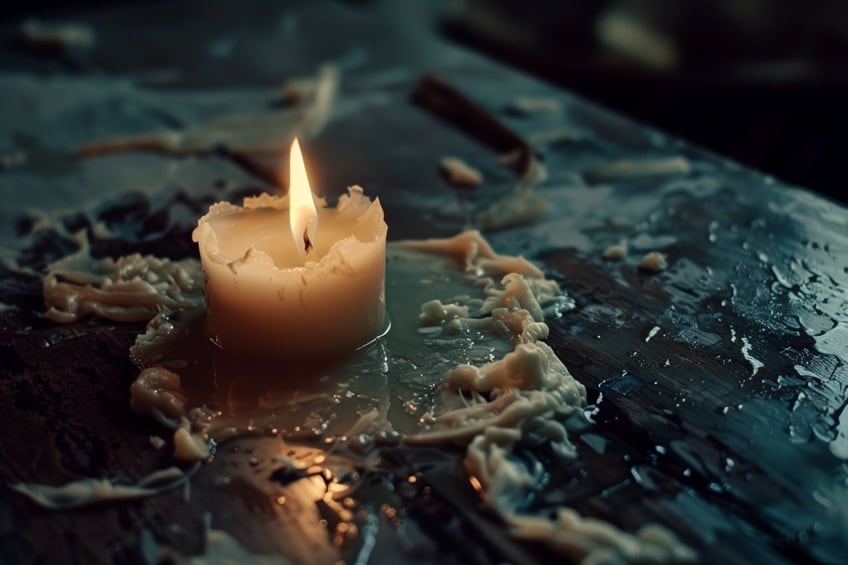
Table of Contents
Key Takeaways
- Proper wax removal is crucial for preserving furniture.
- Understanding the table’s surface helps in choosing the appropriate removal method.
- Following up with correct cleaning and care ensures the longevity of the table’s finish.
Understanding Wax and Surfaces
Finding wax on your table after a candlelit dinner is not unusual, but removing it properly is key to maintaining the surface of your furniture. Candle wax, though seemingly harmless, can adhere stubbornly to surfaces, and improper removal can damage the delicate finishes of wooden tables. The process of removing wax from a table requires patience and careful action to avoid scratches or harming the wood.
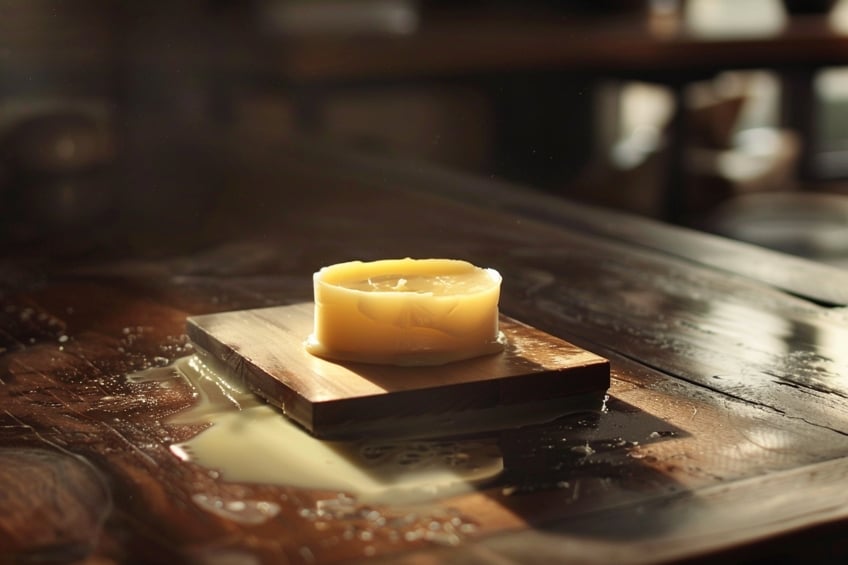
Wax has a low melting point which means it can be softened or frozen to change its adherence to surfaces.
Before beginning the wax removal process, it is important to understand the nature of the table’s material to choose the most effective removal method. Several methods can be employed to lift the wax without damaging the underlying surface, using common household items such as an iron, ice, or a hair dryer. Once the wax is removed, proper cleaning and polishing are essential to restore the table’s natural beauty.
Types of Wax
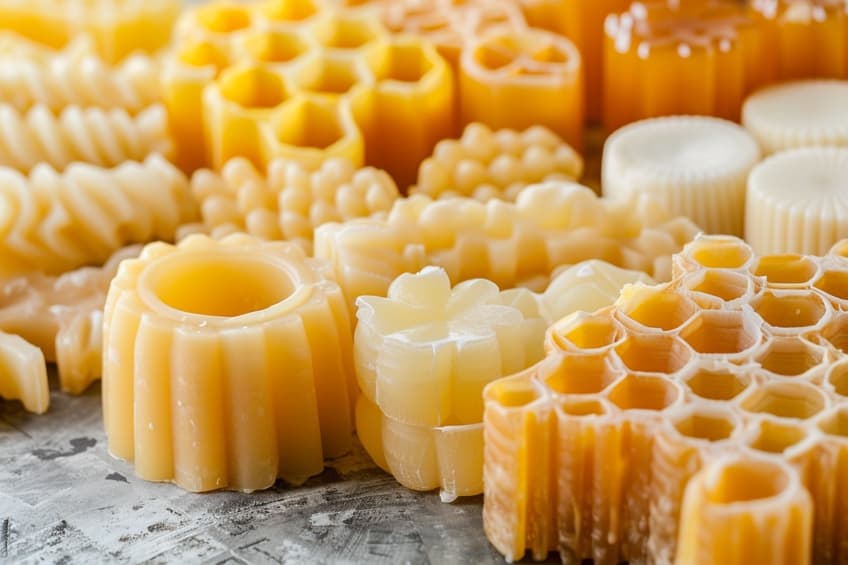
Wax can be classified into several types based on its source and composition:
- Paraffin wax: Commonly used in candle making, paraffin wax is petroleum-based and can leave residue on wood surfaces.
- Beeswax: A natural wax produced by honey bees, often used in polishes and finishes for wood furniture.
- Soy wax: Derived from soybean oil, this wax is typically found in environmentally-friendly candle products.
- Carnauba wax: Extracted from palm leaves, carnauba wax is durable and often used in automotive and floor waxes.
Each type of wax may interact differently with wood and other surfaces, necessitating tailored removal methods.
Surface Sensitivity
The sensitivity of a surface to abrasion or chemical treatment is paramount to consider:
- Wood tables: Typically finished with a protective coating that can be sensitive to heat and moisture. Mechanical methods to remove wax must be gentle to avoid scratching.
- Wood furniture: Similar to wood tables, often finished with varnish or sealant. The integrity of this finish must be preserved during wax removal.
- Floors: Whether hardwood, laminate, or coated, flooring surfaces require cautious treatment to maintain their appearance and prevent damage while removing wax.
Preparation and Initial Steps
Removing wax from a table requires careful preparation and understanding, particularly when dealing with wooden surfaces. The initial steps play a critical role in ensuring the wax is removed effectively without damaging the wood.
Gathering Materials
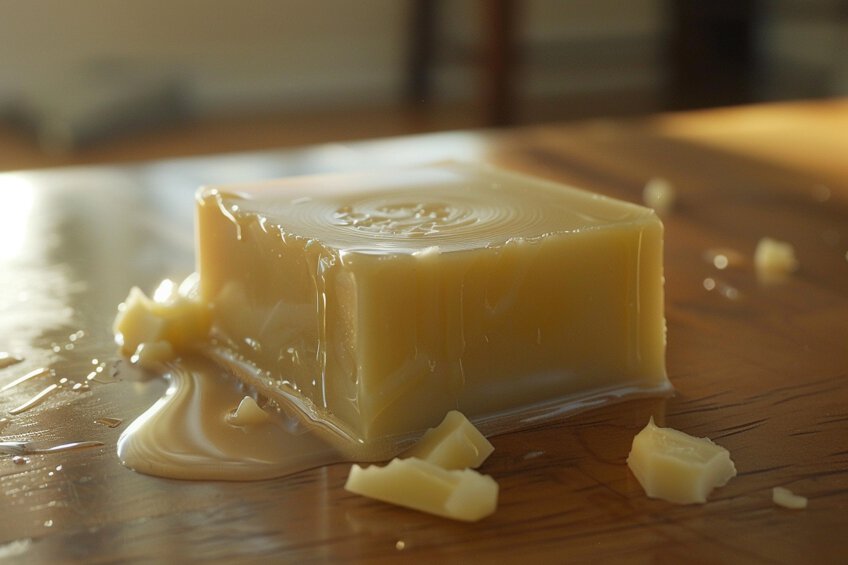
One needs to gather the right materials before starting the wax removal process to prevent any damage to the wood surface. Essential materials include:
- Cloth: A clean, absorbent, lint-free cloth is vital for wiping and absorbing wax.
- Iron: In cases where heat application is necessary, a standard clothes iron set to low heat can help melt the wax.
- Paper towels: Handy for initial blotting of the melted wax, paper towels should be absorbent.
- Water: Used to create a cleaning solution or to help in cooling the wax.
- Vinegar (optional): A natural cleaner that is sometimes used mixed with water to help dissolve wax residue.
It is important to have these materials readily available before moving on to assessing the wax spill.
Assessing the Wax Stain
A careful assessment of the wax stain is the next crucial step. One should note the following specifics:
- Extent of wax spill: The amount of wax spilled and its hardness determines the approach for removal.
- Type of wood finish: Knowing whether the wood surface is sealed or unsealed helps in choosing the appropriate method and avoiding damage.
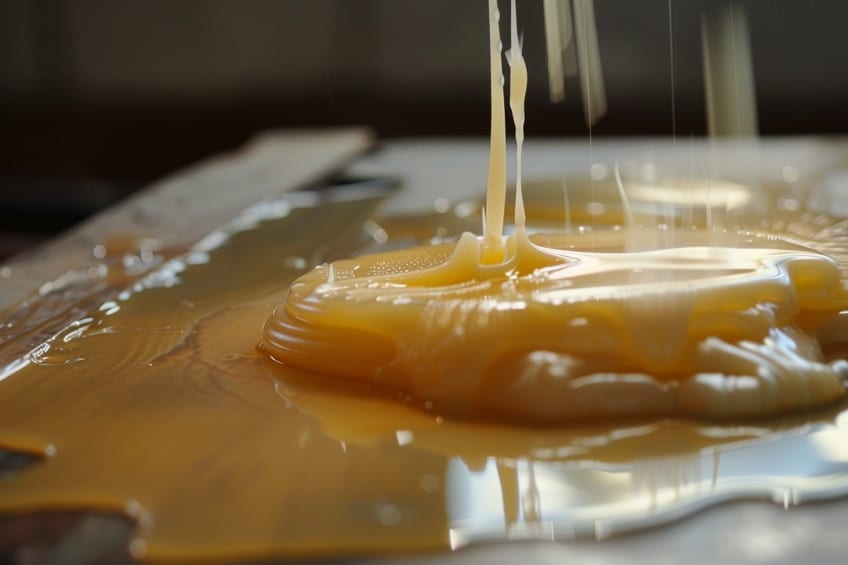
One of the first actions in addressing a wax stain is to gently scrape off any excess wax. This can be done using a plastic item such as a putty knife, taking care not to scratch the table. If the wax has hardened, it may be helpful to apply ice in a plastic bag over the area to further harden the wax and make it easier to remove.
Methods for Wax Removal
Removing wax from a table can be approached in several secure and effective ways. Each method is designed to tackle wax without causing damage to the underlying surface.
Freezing Technique
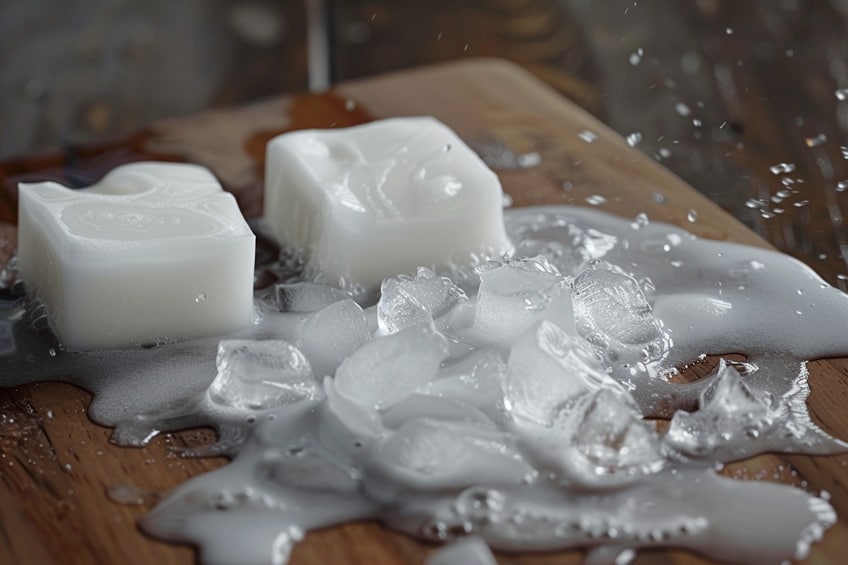
To remove wax using the freezing technique, they can place ice cubes in a plastic bag and lay it over the wax spill. The cold will cause the wax to harden and become brittle, making it easier to gently scrape off. A plastic scraper or a credit card can be used to lift the wax from the wood without scratching the surface.
Applying Heat
If one opts to apply heat, a hairdryer set to the lowest heat setting can be used to soften the wax. Alternatively, placing a cotton cloth over the wax and gently ironing over the cloth can transfer the wax onto the fabric.
Care should be taken to keep the iron on a low setting to avoid any potential heat damage to the wood.
Gentle Scraping
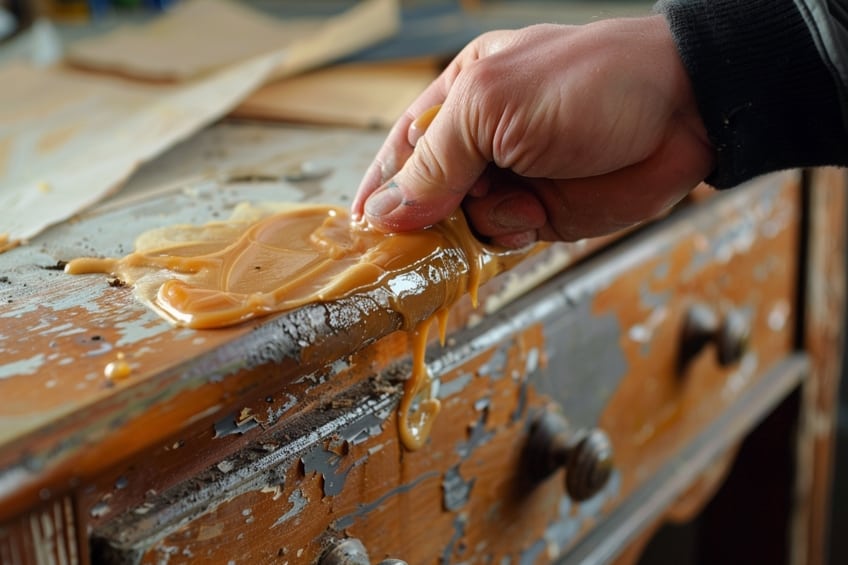
For gentle scraping, once the wax is either hardened by freezing or softened by heat, it can be carefully scraped away. A plastic scraper, credit card, or a butter knife can be used, ensuring they work gently to avoid gouging the table’s surface.
Using Solvents
When dealing with stubborn wax residue, solvents such as mineral spirits, vinegar, or rubbing alcohol may be needed. They should apply the solvent to a soft cloth and rub gently on the affected area. Caution is recommended as some solvents can stain or damage the finish if not used correctly. Always test a small, inconspicuous area first.
After the wax is removed, they may want to apply furniture polish to restore shine and protect the wood.
Post-Removal Cleaning and Care
Once the wax has been removed from a table, the key to restoring its appearance lies in thorough cleaning of any residual stains and proper surface treatment and polishing to revitalize the material, be it wood or cotton fabric.
Cleaning Residual Stains
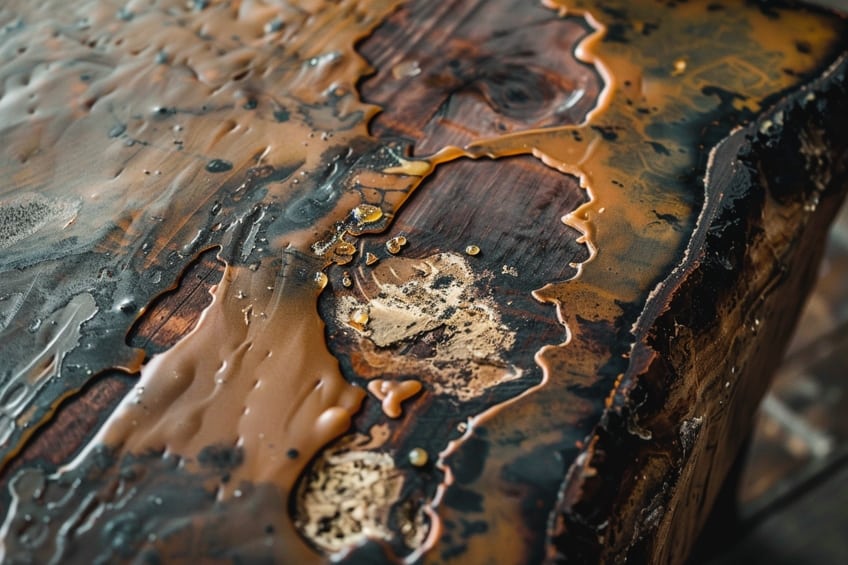
For wood surfaces, the reader should use a solution of equal parts distilled vinegar and water to gently clean any remaining stains. They can apply this by lightly spraying the mixture onto the wood, then wiping it with a microfiber cloth along the wood grain. For cotton fabric, one should dampen a cloth with warm water and a mild soap.
They must carefully blot rather than rub the area to avoid embedding the stain deeper into the fabric.
Surface Treatment and Polishing
After cleaning, the condition of the wood surface can be further enhanced by applying olive oil or furniture polish. This should be done using a clean cloth, working in the direction of the wood grain until the surface shines evenly. If the reader has dealt with cotton fabric, it’s typically enough to wash it according to the fabric care instructions, although a second treatment with stain remover may be necessary for persistent spots.
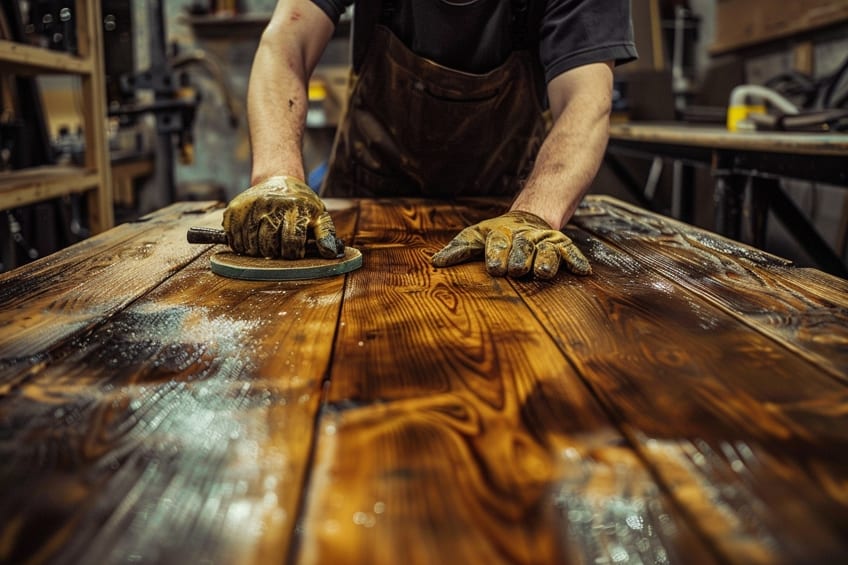
And there you have it, folks! With a little heat, a touch of patience, and a sprinkle of DIY magic, you’ve conquered the wax monster and restored your table to its former glory. Now, sit back, relax, and enjoy your wax-free surface like a DIY ninja, ready to tackle any sticky situation that comes your way. Remember, when life gives you wax spills, just melt them away and keep crafting on!
Frequently Asked Questions
What Is the Best Method to Remove Candle Wax from a Wooden Table?
The most effective method for removing candle wax from a wooden table involves softening the wax with a source of heat, such as a hair dryer, and then gently lifting the wax away. Once softened, the wax can be absorbed using a clean, dry cloth without harming the wood’s surface.
What Are the Steps to Clean Off Wax from a Table Without Causing Scratches?
To clean wax from a table without scratching, the wax should first be allowed to harden. After hardening, one can use a plastic scraper, such as a credit card, to gently remove the bulk of the wax. Any residue can then be treated with a warm, slightly dampened cloth to softly lift and remove the remaining wax.
Can Vinegar Be Used to Strip Wax from Wooden Furniture?
Vinegar is a natural cleaning solution that can be diluted with water to strip wax from wooden furniture. One should prepare a solution of equal parts water and vinegar, apply it sparingly to a soft cloth, and then wipe the furniture surface gently. This will help in breaking down the wax buildup without damaging the wood.